
Introduction to AI in Healthcare
The integration of artificial intelligence (AI) into patient healthcare is rapidly changing the landscape of medical diagnosis and treatment. Tools like Claude, Gemini, and OpenAI are at the forefront, offering innovative solutions that enhance the accuracy and efficiency of healthcare services.
AI-Assisted Diagnosis
AI technologies are proving invaluable in diagnosing diseases earlier and with greater precision. Algorithms can analyze patient data, including symptoms and medical histories, to suggest potential diagnoses. By utilizing systems such as Claude and Gemini, healthcare professionals are empowered to make better-informed decisions, thus reducing misdiagnoses and ensuring timely interventions.
Analyzing Image Reports
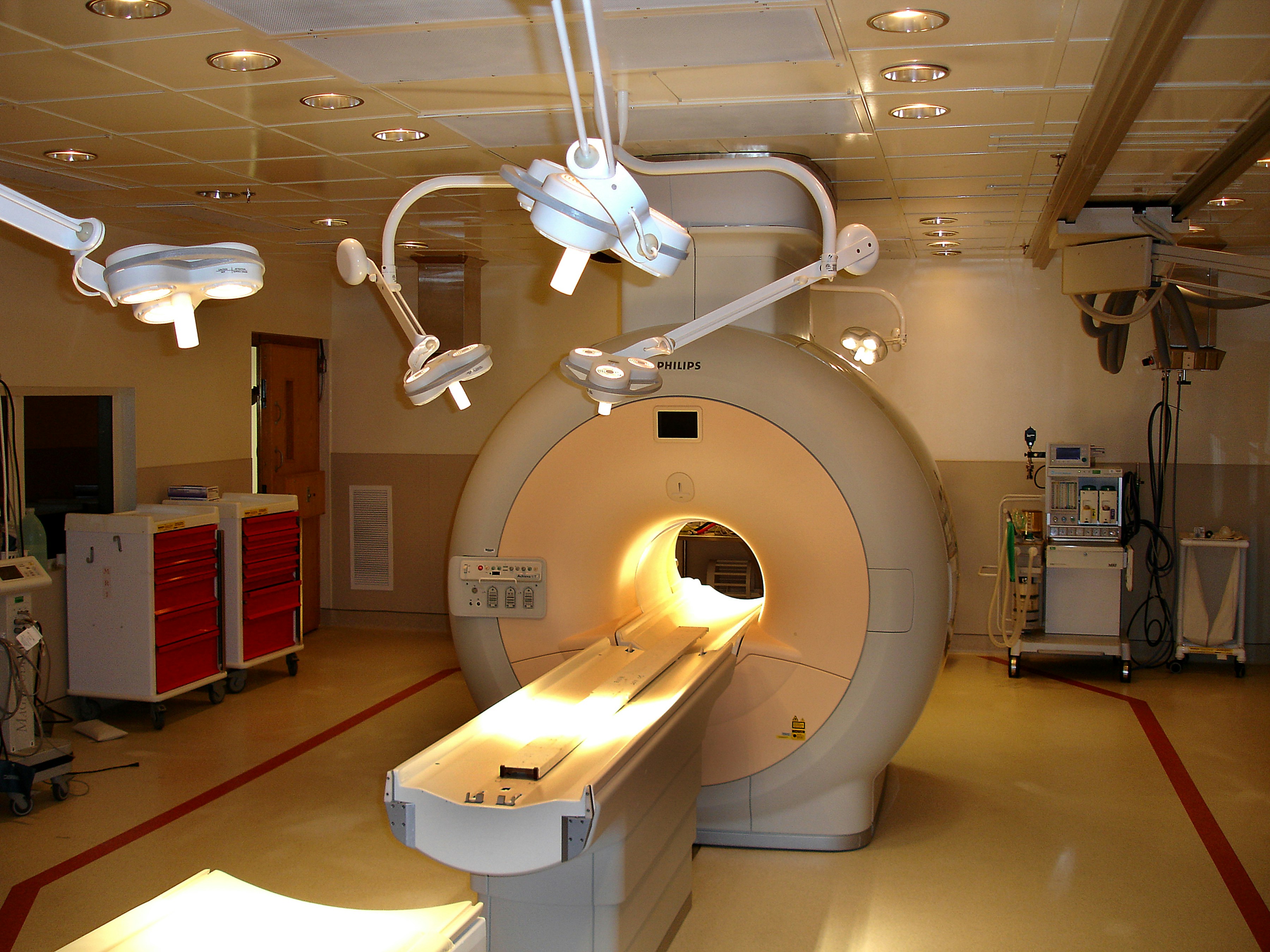
Another area where AI shines is in the analysis of medical images. AI systems can process x-rays, MRIs, and CT scans faster than human radiologists, identifying abnormalities and anomalies that might be overlooked. This capability not only increases the speed of diagnosis but also enhances the overall quality of patient care.
Moreover, the use of advanced AI technologies allows for continuous learning from vast datasets, leading to improved diagnostic accuracy over time. As AI continues to evolve, its role in healthcare will undoubtedly expand, ultimately transforming patient outcomes for the better.